You might have heard the terms “Food Stamps” and “EBT” thrown around, especially when talking about helping people get food. But are they the same thing, or are they different? The answer can be a little confusing, so let’s break it down. We’ll explore what these terms mean and how they relate to each other, so you can understand them better. It’s important to know how these programs work and who they help.
What Does EBT Stand For?
EBT stands for Electronic Benefit Transfer. Think of it like a debit card, but instead of money from your bank account, it holds benefits for things like food. These benefits are provided by the government to help people who need assistance. The EBT card is used to buy groceries and other approved items at participating stores.
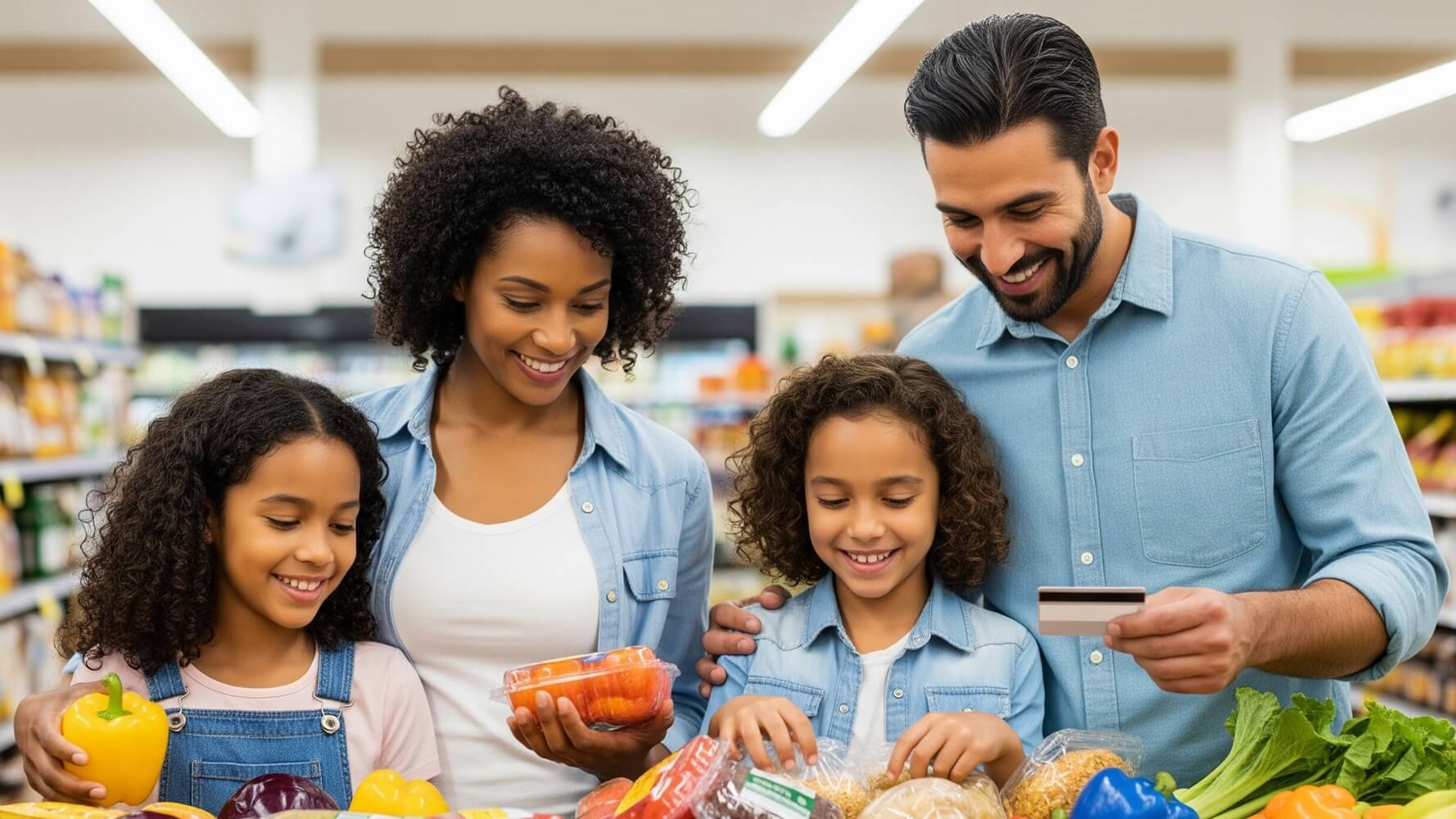
The EBT system makes it easier and more efficient to distribute benefits. Before EBT, people used paper coupons or checks. This new system prevents fraud and makes the whole process much smoother. It also allows for better tracking of how the benefits are used, helping the government to manage the program better. It’s really a modernized way of providing support.
EBT cards work at most grocery stores and some farmers’ markets. When a person uses their EBT card, the store’s system connects with the state’s EBT system to verify that the person has enough funds available to cover the purchase. The purchase amount is then deducted from the card’s balance.
So, in short, the EBT card is the tool that makes getting benefits possible. It’s a super convenient way to receive and use assistance!
What Are Food Stamps?
Food Stamps, officially known as the Supplemental Nutrition Assistance Program (SNAP), is the name of the *program* that provides food assistance. This program helps low-income individuals and families buy food. It’s a critical support system for many people across the United States.
SNAP provides electronic benefits, so you no longer receive paper coupons. The money provided by SNAP is loaded onto an EBT card. That EBT card can be used to purchase specific food items, like fruits, vegetables, meats, and grains. SNAP doesn’t cover items like alcohol, tobacco, or prepared foods that are ready to eat.
The goal of SNAP is to make sure that people have access to enough food to stay healthy. SNAP helps ensure people are getting proper nutrition during times of hardship. It also boosts the economy by stimulating spending at local grocery stores and food retailers.
Here are some items you CAN buy with SNAP benefits:
- Fruits and vegetables
- Meat, poultry, and fish
- Dairy products
- Breads and cereals
So, Is Food Stamps The Same As EBT?
No, Food Stamps (SNAP) and EBT are not the same thing. The key thing to remember is that SNAP is the *program* and EBT is the *system*. Think of it this way: the EBT card is the tool that people use to access the benefits provided by the SNAP program.
EBT is the technology. It’s the modern way to handle the benefits. The SNAP program provides the money, and the EBT card lets you spend it. The government uses EBT to make sure that the program is administered smoothly, quickly, and efficiently.
It can be easy to confuse the two terms since they’re so closely related. When someone refers to “Food Stamps,” they’re generally talking about the SNAP program. And when they mention “EBT,” they mean the card used to pay for those benefits.
It’s like this: Imagine you have a gift card. The gift card itself is like the EBT card. The money loaded onto the gift card is like the SNAP benefits. You can use the gift card to buy specific items, just as you can use the EBT card to buy approved food items.
Who Is Eligible for SNAP?
Eligibility for SNAP depends on income, resources, and household size. The government sets the requirements. It’s designed to help those who need it most, such as families with low incomes, the elderly, and people with disabilities.
Each state has its own SNAP office that processes applications and determines eligibility. You can apply for SNAP benefits in the state where you live. The application process generally involves providing proof of income, expenses, and household information.
Income limits are adjusted each year based on the cost of living and the size of a household. Resource limits, such as the amount of savings a household can have, are also taken into account. The goal is to ensure that the program helps those who truly need assistance and that the benefits are used to buy food.
Here’s a quick breakdown of the general eligibility criteria:
- Income: Must be below a certain level based on household size.
- Resources: Limited amount of savings and assets.
- Residency: Must reside in the state where you are applying.
- Work Requirements: May be required to work or participate in job training programs.
Where Can You Use Your EBT Card?
You can use your EBT card at a wide variety of stores, making it super convenient. The card is accepted at most major grocery stores, smaller local markets, and even some farmers’ markets. Look for signs at checkout that say “SNAP Accepted” or “EBT Accepted.”
The government partners with retailers to make sure people can easily access food using their EBT cards. The EBT system is connected to retailers across the country, so recipients have a lot of choices. You can usually find fresh produce, meat, and other necessities.
EBT cards can also be used online at some retailers, such as Amazon and Walmart. This helps people who can’t easily get to a physical store. This adds an extra layer of convenience for people in need.
Here is a small table of some popular stores that take EBT cards:
| Store Name | Type |
|---|---|
| Walmart | Grocery and general merchandise |
| Kroger | Grocery |
| Safeway | Grocery |
| Amazon | Online retailer |
What Can You Buy With SNAP?
You can use your EBT card to buy a wide range of foods. These include fresh produce, meats, dairy products, grains, and other essential food items. You can find a wide variety of options at grocery stores, allowing recipients to make healthy choices.
SNAP is designed to help people get a well-balanced diet. You can buy many nutritious items to maintain a healthy lifestyle. The program focuses on supporting proper nutrition for individuals and families facing food insecurity.
There are some limitations on what you can buy with SNAP. For example, you cannot buy alcohol, tobacco products, or non-food items. The purpose of SNAP is to provide food assistance and not to cover other expenses.
Here’s a list of common items that you CANNOT buy with SNAP:
- Alcoholic beverages
- Tobacco products
- Vitamins and medicines
- Non-food items like pet food and paper products
What Happens If You Lose Your EBT Card?
If your EBT card is lost or stolen, it’s super important to report it right away. You can call your state’s EBT customer service line or visit your local SNAP office. They will help you get a replacement card so you can continue to access your benefits.
Reporting a lost or stolen card quickly helps prevent fraud. When you report it, the card is immediately deactivated, and no one can use your benefits. It’s like canceling a credit card when it’s been stolen. Then, they’ll mail you a new card.
You might be asked to provide some information to verify your identity, such as your name, address, and date of birth. This helps the EBT office ensure that the new card goes to the right person. It’s usually a quick and easy process.
The process of getting a replacement card is typically straightforward. This ensures that you can continue to access the food assistance you need. The state is there to make the process simple.
Conclusion
In conclusion, while the terms “Food Stamps” (SNAP) and “EBT” are often used together, they are not the same. SNAP is the program that provides food assistance, and EBT is the electronic system that allows people to access those benefits using a card. Understanding the difference is important when talking about how the government helps people access food. Both SNAP and EBT are important tools in helping people across the country.